



















































What Can You Embroider? A Guide to Embroidery-Friendly Items
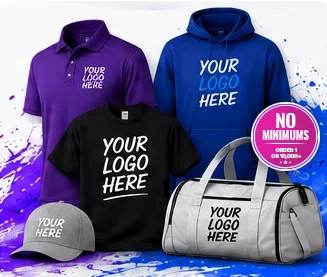
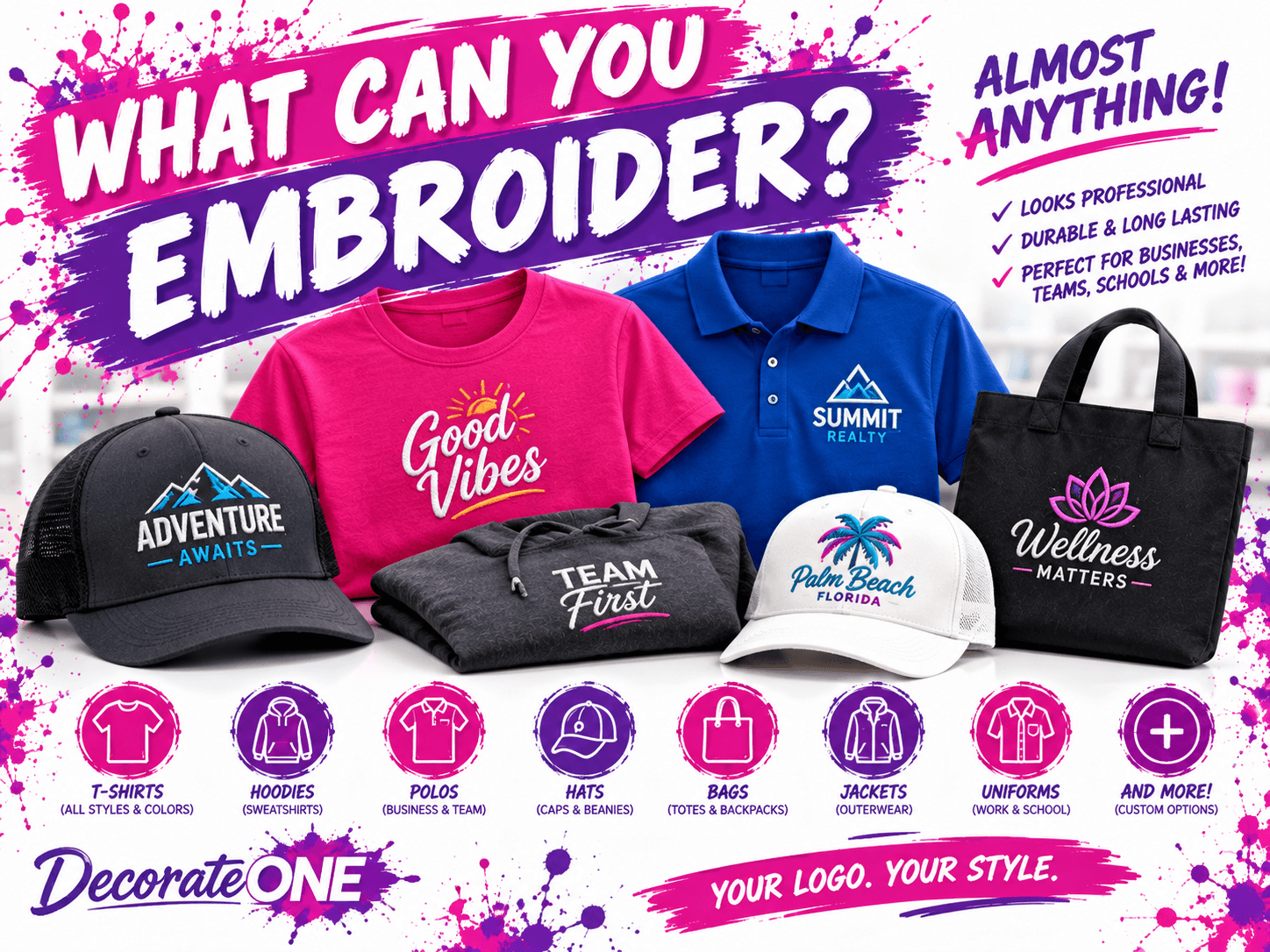
Embroidery works on far more than just polo shirts. From hats and jackets to bags and towels, thread can be stitched onto almost any fabric-based item with the right backing and machine setup. Here’s a breakdown of what you can embroider — and what to keep in mind for each type of item.
Apparel You Can Embroider
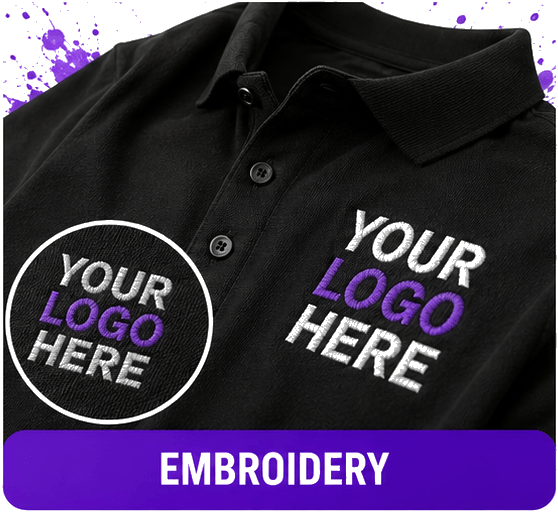
Apparel is by far the most common category for embroidery, and for good reason — the raised, textured stitch gives a professional, upscale finish that’s ideal for branding.
- ● Polo shirts and knit tops
- ● Button-down and dress shirts
- ● Hoodies and sweatshirts
- ● Jackets and outerwear
- ● T-shirts (with a lightweight backing to prevent puckering)
- ● Uniforms and workwear
Headwear You Can Embroider
Hats are one of the most popular embroidery items, since the structured front panel provides an ideal flat surface for stitching.
- ● Structured baseball caps
- ● Trucker hats
- ● Beanies and knit caps
- ● Visors
- ● Bucket hats
Bags and Accessories You Can Embroider
- ● Backpacks
- ● Tote bags
- ● Duffel bags
- ● Aprons
- ● Towels and robes
- ● Blankets
- ● Scarves and gloves
Medical and Workwear Items
Embroidery is a staple in healthcare and industrial settings, where a durable, professional look matters. Scrub sets, lab coats, safety vests, and industrial work shirts are all commonly embroidered with names, titles, and company logos.
What Makes an Item Good for Embroidery?
Not every material or design is equally suited to embroidery. A few characteristics make a big difference in how clean the final result looks.
Fabric Thickness and Structure
Thicker, more stable fabrics like pique knit polos, twill hats, and canvas bags hold stitching cleanly without puckering. Lightweight or stretchy fabrics can still be embroidered, but usually need a stabilizing backing applied during production to keep the design flat and crisp.
Design Simplicity
Embroidery works best with flat logos or images that have no shading and no small lettering. Solid-color logos, bold lettering, and simple shapes translate cleanly into stitches. Gradients, fine detail, and tiny text are much harder to reproduce with thread and often need to be simplified before digitizing.
What’s Difficult to Embroider
- ● Very small text or phone numbers
- ● Smooth gradients and color fades
- ● Photo-realistic images
- ● Soft drop shadows and glows
- ● Very thin, stretchy, or slippery fabrics without stabilizer
Quick Takeaway
Embroidery works on a wide range of items — from polos and hats to bags, towels, and scrubs — as long as the design is kept simple and the fabric can support stitching. Detailed or gradient-heavy artwork is generally better suited to printing.